

Common Basement Remodeling Mistakes and How to Avoid Them
A basement remodel can turn unused square footage into a place people enjoy. Extra living space is always valuable, and many homeowners see basements as the easiest area to transform. For those considering basement remodeling in Colorado Springs CO, that excitement often leads to rushed decisions. Problems show up later, and repairs cost more than doing it right the first time. Understanding the most common mistakes helps every homeowner protect their investment. A smooth renovation starts with careful planning, practical choices, and quality work. The goal is simple. Create a safe, comfortable, and long-lasting space that feels like a natural part of the home.
Ignoring Moisture Problems
Moisture is the biggest threat to any basement remodel. Many people see a dry surface and assume the basement is fine. Hidden leaks, high humidity, or old foundation cracks can ruin new flooring and drywall. Mold spreads fast in dark areas, and the smell is difficult to remove. The best approach is to identify issues before construction begins. A professional inspection helps reveal unseen problems. Waterproofing solutions vary. Some basements need exterior drainage, while others require interior sealants or sump pumps. Fixing moisture first protects the remodel from early damage.
Choosing the Wrong Flooring
Not every material works below ground level. Homeowners often pick flooring that suits their style, but not the conditions. Traditional hardwood absorbs moisture, swells, and warps. Carpet traps odor and is difficult to clean if moisture returns. Better options include luxury vinyl, sealed concrete, tile, or engineered wood. These materials resist mildew and stay stable. The basement should feel warm, so many contractors add proper insulation beneath the floor. Good flooring choices provide comfort and long life. It prevents expensive replacements and keeps the space inviting.
Choosing Poor Lighting Design
Basements rarely receive natural light. A common mistake is installing too few fixtures or relying only on harsh overhead bulbs. Dim rooms feel smaller and less welcoming. A good plan uses several light sources. Recessed lighting brightens the ceiling and avoids shadows. Wall lights add warmth and depth. Lamps create soft contrast. Light-colored paint also reflects brightness. Even a simple window well can help. Thoughtful lighting makes a basement feel like a regular room instead of a hidden storage area. It changes the atmosphere without raising the cost.
Not Considering Proper Insulation and Ventilation
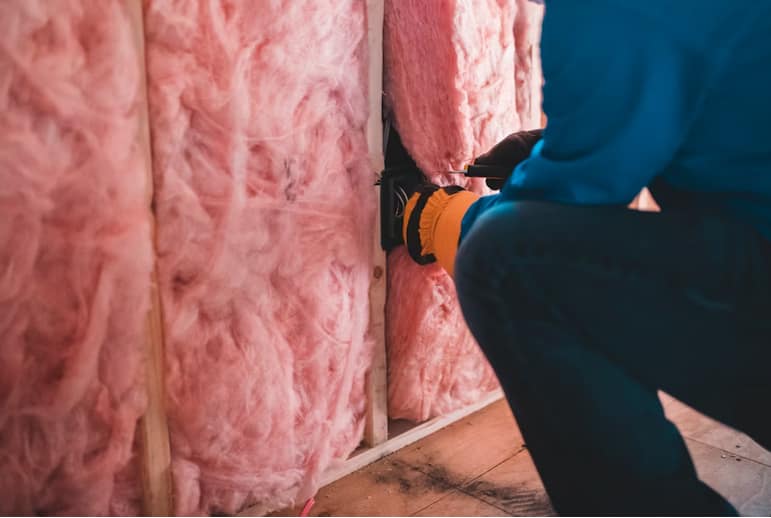
Basements feel cold in winter and damp in summer. Poor insulation makes heating and cooling difficult. In some cases, homeowners choose the wrong material. Fiberglass batts absorb moisture and lose effectiveness. Rigid foam or spray foam offers better protection. Ventilation is just as important. Stale air leads to condensation, odor, and mold. Fresh air systems or dehumidifiers keep humidity low. A comfortable basement balances temperature and airflow. It prevents structural damage and improves indoor health.
Not Soundproofing Between Floors
Noise travels easily through basement ceilings. People sitting downstairs hear footsteps. People sitting upstairs hear voices, games, or movies. Many homeowners skip soundproofing because they want to finish quickly. Fixing it later means tearing down drywall. The better option is adding sound-dampening insulation, acoustic drywall, or resilient channels before closing the ceiling. This small step improves privacy and comfort for everyone in the house. It matters even more if the basement becomes a bedroom, office, or theater.
Blocking Access to Important Systems
Plumbing lines, HVAC units, and electrical panels need space. A common mistake is covering them with walls, built-ins, or storage. It looks clean at first, but repairs become complicated. Contractors must cut drywall just to reach valves or wires. The safe solution is to leave proper clearance. Removable panels or doors still hide mechanical systems while keeping access simple. Utility zones may not look exciting, but they keep the house running. Good planning avoids future frustration.
Forgetting Legal and Safety Requirements
Basement remodeling must follow building codes. Some homeowners skip permits, hoping to save time. That choice leads to fines, failed inspections, or problems selling the house. Bedrooms need proper windows for emergency exits. Electrical work must follow safety standards. Stairways require correct height and width. A licensed contractor understands these rules. Permits protect the homeowner and the value of the property. Safe construction is always worth the effort. It also ensures insurance coverage if damage occurs later.
A finished basement changes how people use their home. Avoiding common mistakes keeps the project smooth and stress-free. Moisture control, proper materials, safe construction, and clear planning create a strong foundation. Every detail matters. When done right, the basement looks like it was always meant to be part of the living space. It feels bright, dry, and comfortable. Each room becomes useful instead of forgotten. A successful remodel takes time and patience. With the right choices, the results feel unique and long-lasting. In the end, homeowners gain extra space and peace of mind. Renovating with care preserves the house, protects the investment, and delivers the utmost satisfaction.